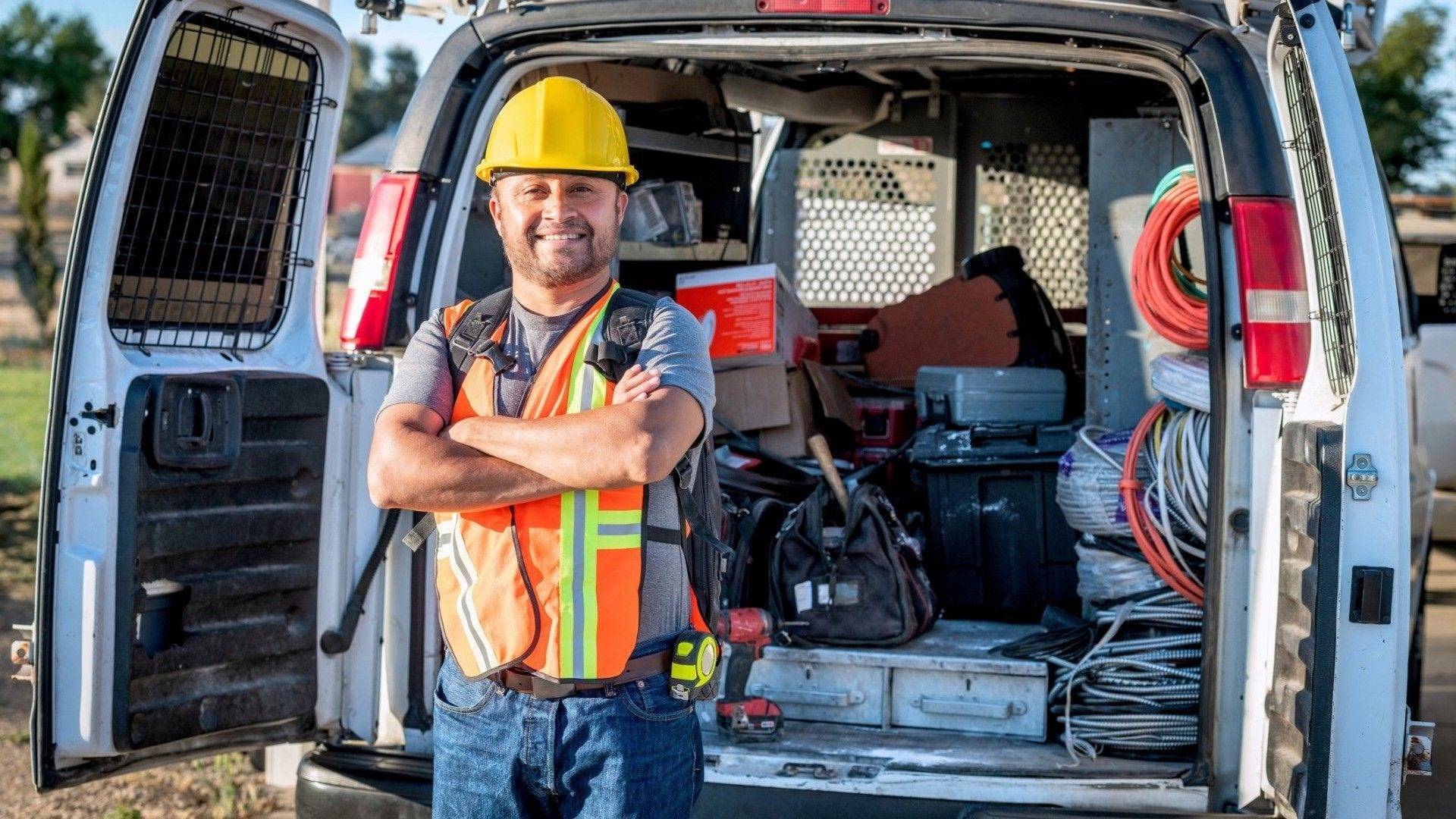
As a Master Licensed Plumber, I’ve spent countless hours inspecting multi-story plumbing systems, and I often find myself reflecting on the stark contrasts between neglected cast-iron stacks and properly maintained, backflow-protected modern distribution networks. Just last month, I visited a local high-rise where the plumbing was a ticking time bomb. The cast-iron stacks were degraded, tuberculated, and emanating the unmistakable scent of sulfur gas. Meanwhile, just a few blocks away, I saw another building with a state-of-the-art system, complete with certified backflow preventers, ensuring that the potable water remained uncontaminated. It’s these experiences that fuel my passion for advocating robust mechanical plumbing integrity, as the stakes are high—both for the systems and the health of the occupants. In this detailed guide, explore top insights with Water Line Repair 10023.
Cross-Connection Control: Protecting Water Purity

One of the most critical aspects of plumbing integrity is implementing effective cross-connection control. I can’t stress enough the importance of certified backflow preventer testing. These devices are our first line of defense against the contamination of municipal and household potable water. When I perform routine inspections, I often find backflow preventers that have either not been tested or are simply malfunctioning due to neglect. This is alarming, considering that a single failure can lead to contaminated water entering the system, posing serious health risks to residents.
During my work, I’ve witnessed firsthand how backflow events can occur. From garden hoses submerged in contaminated ponds to irrigation systems improperly connected, the potential sources of contamination are numerous. Certified testing ensures that these preventers are functioning as intended, maintaining the water purity that we often take for granted. Regular inspections and maintenance also come into play here, where I recommend annual testing for backflow preventers, especially in commercial settings where the stakes are higher. Furthermore, educating clients about the importance of backflow prevention is essential, and I take the time to discuss the ramifications of neglecting this crucial aspect of plumbing.
Cast-Iron Stack Degradation: Identifying Issues Early

For many older buildings, cast-iron stacks can be a significant concern. During a recent inspection, I encountered a lengthy cast-iron stack that had clearly suffered from neglect. Tuberculation—caused by corrosion and the buildup of mineral deposits—was evident, and sulfur gas erosion had compromised its structural integrity. It’s a classic case of what happens when regular maintenance is overlooked. The degradation of such stacks can lead to serious plumbing issues, including leaks and even catastrophic failures.
Identifying these issues requires a keen eye and a deep understanding of what to look for. I recommend looking for signs of rust, visible cracks, or any unusual noises that might indicate an internal problem. If you notice these symptoms, transitioning to Schedule 40 PVC can be a wise decision, as it offers superior durability and resistance to corrosion. Additionally, it’s crucial to consult with a licensed professional before making any transitions. A failure to act promptly can lead to extensive and costly repairs down the line, not to mention the potential health hazards that arise from compromised drainage systems.
Sump Pump and Battery Backup Systems: Dual-Pump Readiness
As the seasons change, one of the most important systems to ensure functionality is the sump pump and its battery backup. I’ve seen firsthand just how catastrophic basement flooding can be when a sump pump fails during heavy rainfall. Last summer, I was called to a home where the basement was inundated—an event that could have been avoided had the homeowner conducted proper maintenance on their sump system.
To prevent such situations, I recommend performing regular checks on your sump pump and ensuring that the backup system is operational. This includes testing the float switch and cleaning the sump pit to remove any debris that could obstruct the pump’s function. Additionally, homeowners should invest in a quality battery backup system, particularly if they live in areas prone to power outages during storms. It’s all about peace of mind—knowing that your home is safeguarded against potential disasters. A well-maintained sump pump system not only protects your home from flooding but also maintains the structural integrity of the property.
Essential Seasonal Plumbing Checklist

Every season brings its own set of plumbing challenges. Therefore, having an essential seasonal plumbing checklist is crucial for homeowners. I often advise clients to conduct thorough checks before the onset of heavy rain or cold weather. For example, testing shutoff valves is essential to ensure they operate smoothly when needed. I frequently encounter valves that haven’t been exercised in years, leading to corrosion and failure when they are finally called upon.
Another critical component to inspect is the braided supply lines. Over time, these can become frayed or weakened, leading to leaks that can escalate into significant damage if not addressed. I recommend replacing braided lines every five years as a preventative measure. Additionally, verifying thermal expansion tanks is vital in maintaining pressure levels within the plumbing system. An inadequate thermal expansion tank can cause unnecessary stress on pipes and fixtures, resulting in premature failure.
Conclusion: Trustworthy Local Recommendations
When it comes to ensuring the integrity of plumbing systems, I cannot recommend enough that homeowners seek the expertise of trusted local professionals. At Glenn’s Plumbing, we are committed to providing our community with top-notch service and expertise in mechanical plumbing integrity. Whether you need a thorough inspection, backflow prevention installation, or seasonal plumbing maintenance, our dedicated team is ready to assist. Don’t leave your plumbing systems to chance—reach out for reliable help today. For more information on water line repair and other services, explore Water Line Repair 10023 and see how we can help you safeguard your home.