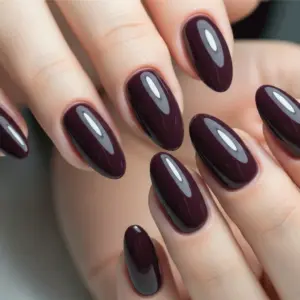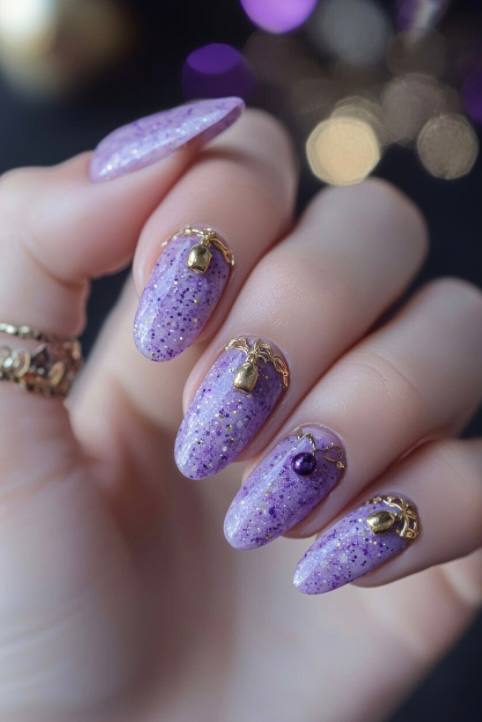
There I was, sitting in a bustling nail salon, the smell of harsh chemicals filling the air, and I couldn’t help but feel a tinge of frustration. I had just treated myself to a gel manicure, only to watch it chip within three days. It was a classic case of rushed service and inadequate care. As a seasoned nail care specialist, I know all too well how these moments can lead to a cycle of disappointment. That’s why I’m here to share my insights on proper nail care and why choosing the right nail salon 99216 is crucial for maintaining your nails’ health and beauty.
Nail care is not just about painting pretty colors on your nails; it involves understanding the anatomy of your nails, proper techniques, and the right products. In this guide, I’ll delve into everything from cuticle care to the best practices for nail health, ensuring you leave the salon with nails that are not only beautiful but also healthy.
Understanding Cuticle Care

Cuticles serve an essential role in protecting the nail matrix, which is the part of the nail that grows. Understanding how to care for them properly can make a significant difference in the overall health of your nails. I always emphasize the difference between the proximal nail fold, also known as the eponychium, and the dead cuticle tissue. The eponychium is living tissue and should never be cut. Instead, I advocate for gently softening and pushing back the cuticles, trimming only the loose, dead hangnails that can cause discomfort.
By cutting into live cuticle tissue, you break the biological seal that protects against infections and can lead to chronic hangnails, pain, and potential bacterial or fungal infections. When you visit a salon, ensure that the technician uses proper cuticle care techniques and understands the importance of this distinction. This knowledge can save you from unnecessary pain and potential health issues.
Proper Nail Trimming Techniques
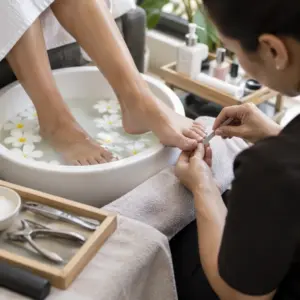
When it comes to toenails, proper trimming techniques are equally crucial. I often see clients who come in with painful ingrown toenails, a condition known scientifically as onychocryptosis. The key to avoiding this painful experience is to always clip toenails straight across, never rounding the corners. Rounding can cause the nail to grow into the surrounding skin, leading to painful inflammation.
Additionally, using smooth edges after clipping is essential. Rough edges can snag on socks or shoes, leading to further complications. A good technician will not only trim your toenails effectively but also educate you on how to maintain them between visits. This proactive approach can save you from future discomfort and ensure that your feet remain in top condition.
Mastering Gel and Dip Applications
The popularity of gel and dip powder manicures has grown immensely over the years, but many clients are unaware of the proper application techniques that can make or break the longevity of their nails. A common mistake I observe is technicians applying thick layers of polish, which can lead to lifting and premature peeling. Thin, even coats are key to a successful application.
Additionally, it’s vital to leave a micro-gap of approximately 1mm between the polish and the proximal nail fold. This gap prevents moisture entrapment, which can lead to lifting and bacteria growth. Proper curing under UV or LED lights is also essential. If you opt for gel or dip powder, ensure you choose a salon that adheres to these standards for the best results.
Comparing Nail Products: Regular, Gel, and Dip

When choosing the right nail product, it’s important to consider your daily routine, nail plate thickness, and the amount of manual labor your hands endure. Regular lacquer is great for those who prefer frequent color changes, but it lacks the durability of gel or dip. Gel polish offers a longer-lasting option but requires proper removal to avoid damage to the nail plate. Dip powder provides incredible strength; however, it can also lead to significant damage if not applied or removed correctly.
Consider your lifestyle: if you work with your hands a lot or require a long-lasting finish, gel or dip may be your best bet. However, if you enjoy changing colors regularly or have thinner nails, a regular lacquer might be more suitable. Always discuss your preferences with your technician so they can recommend the best option for your needs.
Maintaining Hygiene and Sanitation Standards
Hygiene in nail care cannot be overstated. As someone who has worked in various salons, I can tell you that the difference between a good salon and a great salon often comes down to sanitation practices. I always recommend looking for medical-grade autoclave sterilization pouches, which should be opened in front of you, along with single-use disposable buffer and file kits. This practice ensures that all tools are sanitized properly, minimizing the risk of infections.
Additionally, I advise clients to look for pipe-less or disposable liner foot basins, as traditional foot spas can harbor bacteria. A good technician will also wash their hands before touching your hands or feet, adding an extra layer of protection. If you notice red flags regarding hygiene, do not hesitate to voice your concerns or choose a different salon.
Adapting to Local Climate and Lifestyle
The local climate can significantly impact nail care. In areas with hot, dry summers or air-conditioned environments, nails can become brittle and prone to breakage. I often recommend regular moisturizing treatments to clients, especially those who frequently wear sandals or open-toed footwear, as this can lead to dry, cracked heels.
Additionally, if you walk on concrete surfaces regularly, consider investing in regular pedicures to maintain foot health. A good salon will not only provide nail services but will also offer advice tailored to your local climate and lifestyle, ensuring that you leave with more than just beautiful nails.
Choosing the Right Salon for Your Needs

Ultimately, the choice of a nail salon can greatly affect your nail health and experience. Look for salons that prioritize proper techniques, hygiene, and personalized care. The salon should be a space where you feel comfortable and valued, not just another stop on a checklist. When searching for a reputable salon in your area, consider the nail salon 99216 as a trusted local option that emphasizes quality and client care.
What Happens If You Don’t Change Your Nail Care Routine?
If you continue to neglect your nail care routine, you may find that your nails become weaker, more prone to breakage, and susceptible to infections. Chronic issues can lead to costly repairs and painful treatments. It’s essential to stay proactive about your nail care and make adjustments based on your lifestyle and the condition of your nails.
Frequently Asked Questions
How often should I get a manicure?
Frequency depends on your nail growth and lifestyle, but generally, every 2-4 weeks is ideal to maintain nail health and appearance.
What is the best way to remove gel polish?
The best way to remove gel polish is to soak it in acetone and gently push it off with a nail tool, avoiding excessive force to prevent damage.
Can I get a pedicure if I have a foot condition?
It’s best to consult with your healthcare provider before getting a pedicure if you have foot conditions, as some salons may not be equipped to handle specific issues.
What should I do if my nail breaks?
If your nail breaks, avoid pulling or tearing it. Instead, trim it carefully and consider a nail strengthener to promote healthy growth.
How can I keep my nails healthy between salon visits?
To keep your nails healthy, regularly moisturize your cuticles, avoid using your nails as tools, and maintain a balanced diet rich in vitamins and minerals.