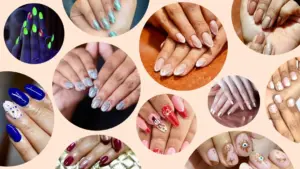
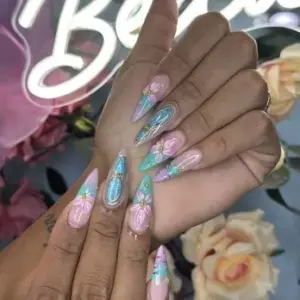
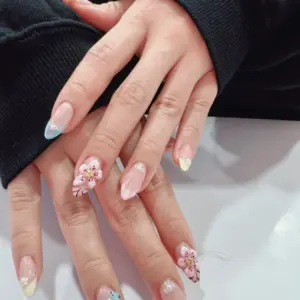
This article delves into the multifaceted work of a professional nail technician and the diverse specializations they can pursue.
Professional nail technicians provide comprehensive hand and foot care services, focusing on nail health and aesthetics. They perform manicures, pedicures, and apply various nail enhancements. This specialized work requires a deep understanding of nail anatomy and product chemistry.
Nail technicians offer a range of services:
- Gel, acrylic, and dip powder applications.
- Intricate nail art designs.
- Therapeutic treatments for nails and cuticles.
Salon Enzo Olizzo prides itself on offering these diverse and high-quality services, ensuring both beauty and well-being.
The core distinction between a nail technician and a nail artist lies in their primary focus: technicians emphasize overall nail care and fundamental enhancements, while artists specialize in creative, elaborate designs. Both roles demand precision and skill, often complementing each other in a salon setting.
To fully understand this profession, let’s explore what a professional nail technician does.
What Does a Professional Nail Technician Do?

A professional nail technician offers various hand and foot care services, focusing on nail health and aesthetic appeal. This role involves a blend of technical skill and creative artistry. Professionals in this field carry out daily tasks and core duties to maintain and enhance nail wellness and appearance.
What Services Do Professional Nail Technicians Provide?
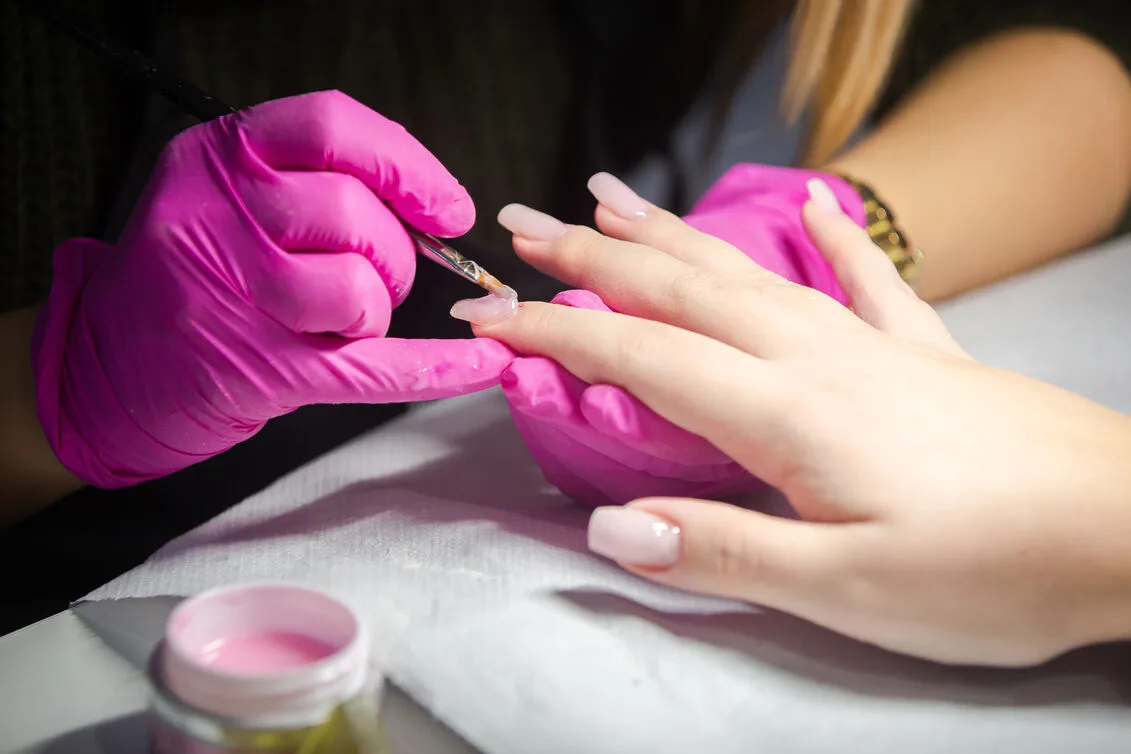
Professional nail technicians offer diverse services, from meticulous nail care to creative artistic applications. These services focus on enhancing nail health, appearance, and overall client well-being. A wide range of treatments is available to meet various client preferences and needs.
How Do Nail Technicians Apply Acrylic Nails?
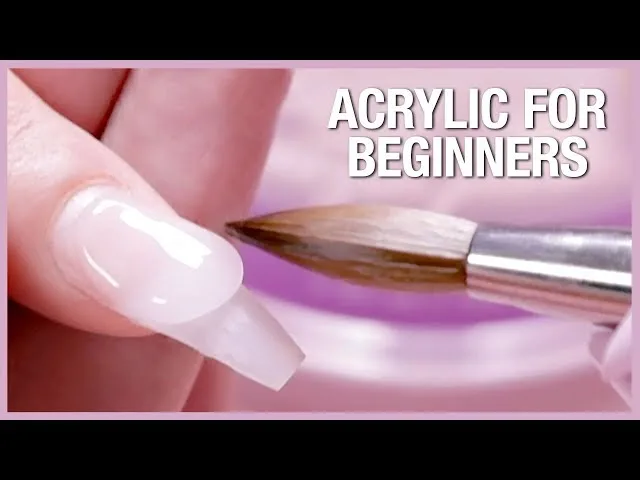
Applying acrylic nails involves a precise, multi-step process. It combines liquid monomer and powdered polymer to create durable, customized nail enhancements. This intricate procedure requires a skilled technician to prepare the natural nail, sculpt the acrylic, and finish the surface for a flawless result. Professional nail technicians meticulously follow specific techniques and utilize specialized tools to ensure proper adhesion and a long-lasting finish.
What is the Difference Between a Nail Technician and a Nail Artist?
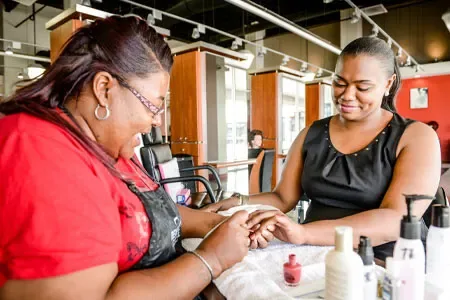
The core distinction between a nail technician and a nail artist lies in their primary focus. Technicians emphasize overall nail care and fundamental enhancements, while artists specialize in creative, elaborate designs. Both roles demand precision and skill, often complementing each other in a salon setting. Understanding this distinction clarifies their respective scopes and specializations within the beauty industry.
Nail technicians are primarily concerned with the health and maintenance of natural nails. They also apply standard enhancements such as acrylics and gels. In contrast, nail artists elevate nail services into an art form, focusing on intricate patterns, 3D designs, and custom aesthetic work that requires advanced artistic skills.
What Advanced Specializations Can a Nail Technician Pursue?
Nail technicians can pursue specialized areas such as medical nail care, intricate artistic designs, and advanced aesthetic treatments. These specializations go beyond routine services, offering deeper expertise in specific aspects of nail health and artistry. They require additional training and certifications to master unique techniques and client needs.
What Are the Certifications for Specialized Nail Techniques?
Specialized nail techniques require certifications and advanced training to demonstrate expertise. These certifications validate a technician’s proficiency in areas such as medical nail care or advanced artistic designs. Pursuing specialized certifications enables nail technicians to offer unique treatments and expand their professional capabilities within the beauty industry. Such programs often cover advanced product chemistry, intricate application methods, and client-specific consultations.
Conclusion
From fundamental services to advanced specializations, the nail technician profession demands a unique blend of technical skill and artistic precision. These professionals are vital for comprehensive hand and foot care, contributing to both nail health and aesthetics. Their diverse offerings encompass basic manicures and pedicures, intricate nail art, and advanced applications like gel and acrylics. While technicians focus on overall care and fundamental enhancements, nail artists excel in elaborate designs, with both roles often complementing each other. Continued professional growth is supported by further specializations in medical nail care or advanced artistic techniques, often requiring specific certifications.